

Richard Harris vs George Fulton: Two White Men Fighting Over Their Patriotic Love for Pakistan
When I first came across this dispute, my reaction was simple. This was unusual. Two Western men arguing publicly about their patriotic love for Pakistan felt unexpected, even jarring. If you are reading this, you probably felt the same pull. The story spread because it broke a familiar pattern. Patriotism is usually discussed by citizens, not outsiders. Yet here, Pakistan became the emotional center of a heated foreign debate. To understand why this mattered, you need context, not clips or outrage.
Why This Story Caught Global Attention
The attention did not come from scale. It came from contrast. When outsiders argue fiercely over a country that is not their own, people stop scrolling. Pakistan already carries strong symbolic weight in global conversations. Add two confident foreign voices, and curiosity follows. From my experience, these stories travel because they challenge assumptions. Many readers want to know whether this is a genuine concern or an ideological performance. That tension is what pushed this debate beyond its original audience.
Who Are Richard Harris and George Fulton
Before looking at the argument itself, it helps to understand the individuals involved. Personal worldview shapes public speech more than most people admit. Knowing who these men are explains why their disagreement felt so intense.
Richard Harris
Richard Harris is known for outspoken political commentary that challenges mainstream narratives. In discussions about foreigners supporting Pakistan, he often frames himself as correcting selective Western coverage. His style is direct and unapologetic. That tone attracts followers who feel global media simplifies complex countries. Pakistan, in his arguments, becomes a case study in misunderstanding rather than policy debate.
George Fulton
George Fulton approaches Pakistan from a more ideological angle. He emphasizes sovereignty, moral consistency, and resistance to external pressure. Supporters see conviction in his stance. Critics see rigidity. Either way, his confidence is clear. When he speaks about Pakistan, he presents himself as defending national dignity, not just offering an opinion. That framing is what often puts him on a collision course with others.
What the Dispute Was Really About
On the surface, the clash looked personal. In reality, it was about authority. Who gets to speak for Pakistan? Who understands it better? Harris challenged Fulton’s framing. Fulton questioned Harris’s credibility. Both claimed deeper insight. I have seen this pattern repeatedly. Ideological debates often turn into fights over representation. Facts take a back seat. Pakistan became the symbol through which both men argued their values.
Why Pakistan Became the Focal Point
Pakistan’s role here was not accidental. Its international image has long been contested. Supporters and critics often talk past each other, each convinced they are correcting falsehoods. This pattern mirrors how people often engage with global cultures through travel and exposure, a theme explored in our broader travel coverage.
Pakistan’s Image in Global Discourse
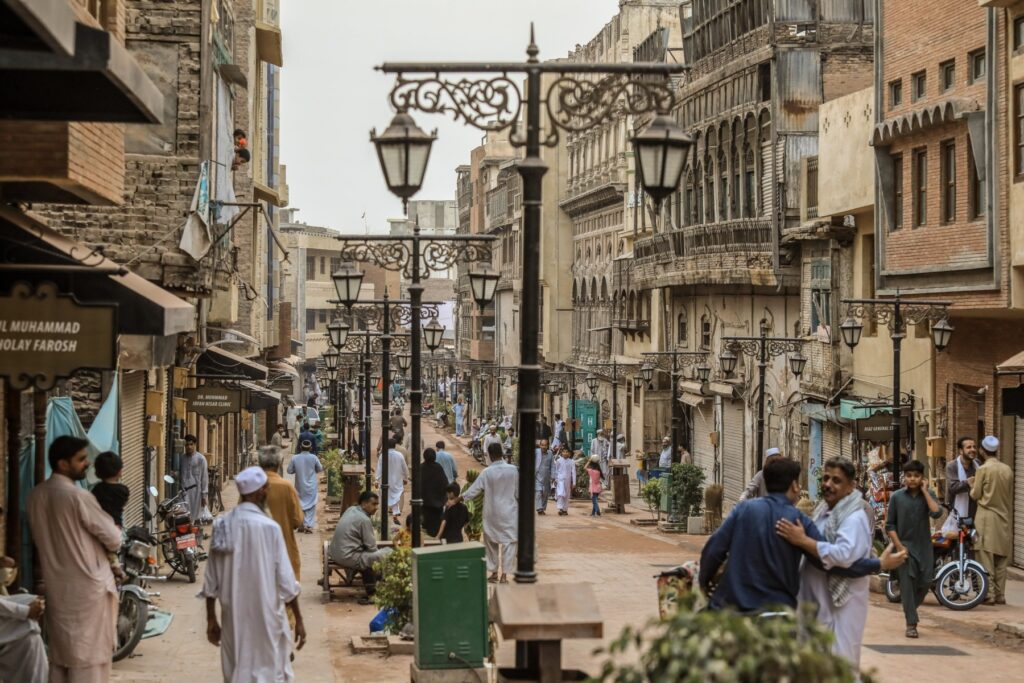
Pakistan is frequently discussed through narrow lenses. Security and politics dominate coverage. Culture and daily life rarely do. That imbalance frustrates many observers. You may have noticed how online debates flatten nuance. When Harris and Fulton spoke, they tapped into that frustration. Each positioned himself as pushing back against distortion, even while accusing the other of doing exactly that.
This tension reflects long-standing debates around how Pakistan is portrayed in international media, often shaped by selective framing rather than everyday realities.

Patriotism Beyond Borders
Patriotism does not always stop at citizenship. I have seen people form deep attachments through travel, faith, or shared political values. This is where national loyalty across borders enters the conversation. Some outsiders feel drawn to countries they see as unfairly portrayed. Pakistan often fits that role. When foreigners express strong loyalty, reactions split fast. Some welcome it. Others question motives. That tension fueled this dispute.
Many outsiders form emotional connections through movement and experience, similar to how travelers discover meaning in places beyond headlines, as seen in stories about lesser-known destinations around the world.
The Role of Social Media and Public Debate
This argument unfolded in online spaces built for speed, not reflection. Social platforms reward certainty and punish hesitation. Nuance rarely survives. From experience, I can tell you that algorithms amplify conflict, not context. Short clips and selective quotes traveled faster than explanations. Pakistan’s symbolic weight made the debate more combustible. What could have been a measured discussion became a public clash almost by design.
What This Debate Reveals About Global Politics
Step back, and the argument reveals something broader. Countries often become symbols in ideological battles. Pakistan is frequently cast as a stand-in for resistance, faith, or independence, depending on who speaks. Harris and Fulton projected their own frameworks onto it. This happens often. Nations turn into mirrors for outside beliefs. Recognizing that helps you read these debates without being pulled into false choices.
Foreign Advocacy and National Identity
Foreign advocacy raises uncomfortable questions. Who has the right to defend a nation? Who defines its values? Journalists and analysts wrestle with this constantly. Advocacy without lived experience can oversimplify. Silence can feel like indifference. Harris and Fulton chose advocacy. Their clash shows the risk that comes with speaking for a country that is not yours.
Symbolism Versus Reality
Symbolic support is not the same as lived reality. Online debates often ignore everyday life on the ground. Pakistan, like any country, contains contradictions. Outsiders arguing over symbols sometimes miss that complexity. This does not make their views meaningless. It does mean they are incomplete.
Why Stories Like This Keep Resurfacing
You might wonder why similar stories keep appearing. The answer lies in attention cycles. Controversy moves faster than context. Nations with layered histories become recurring symbols in online arguments. Pakistan fits that pattern. Each new debate revives old narratives. Each clash attracts new audiences. Until public discourse slows down, these stories will continue to surface.
What You Should Take Away From This
If there is one takeaway, it is this. Context matters more than passion. When you see foreigners arguing over Pakistan, look past tone. Ask what assumptions shape their views. Ask what is missing. In my experience, informed readers resist picking sides too quickly. They listen, compare, and question. That approach serves you far better than outrage.
Pakistan deserves to be understood as more than a talking point. Debates like this show how easily nations become symbols. They also show how hungry people are for narratives that feel fair. You decide whether a debate deepens understanding or simply entertains.
